

~~~~~~~~~~~~~~~~~~~~~~~~~~~~~~~~~~~~~~~~~~~~~~~~~~~~~~
Contains: Strong Bloody Violence, Gore and Psychological Horror
~~~~~~~~~~~~~~~~~~~~~~~~~~~~~~~~~~~~~~~~~~~~~~~~~~~~~~
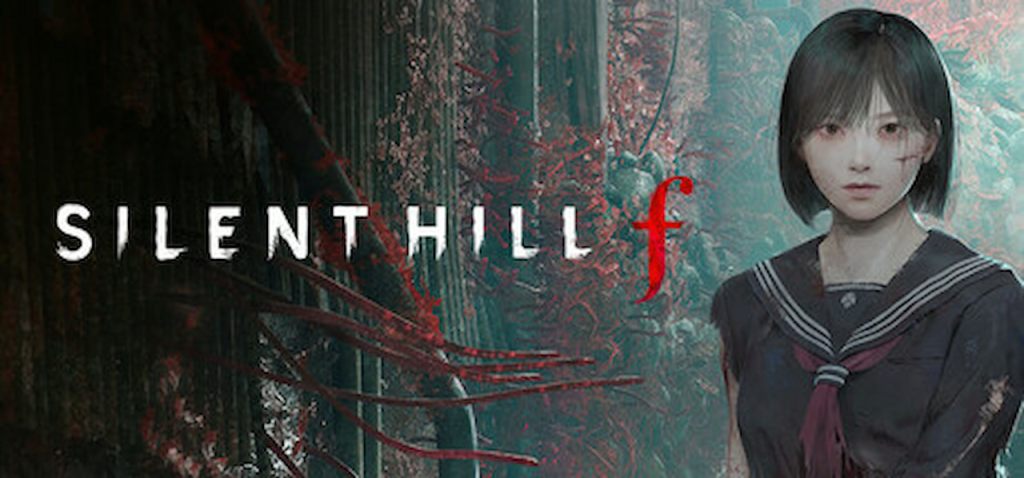
‘Silent Hill f’ embraces a fascinating new setting for the survival horror series, and while it still impresses with its atmospheric art direction and disturbing monster designs, it’s hampered by clunky combat and a poor, messy ending that basically keeps back some of the story for further playthroughs – which it doesn’t warrant.
Set in 1960s Japan in the fictional town of Ebisugaoka, you play as troubled high school student Shimizu Hinako who resents her parents, particularly her abusive father. After an argument, Hinako flees the house, only to encounter a mysterious otherworldly presence is engulfing the town in sentient spider lilies and a thick fog, whilst being overrun with monsters.
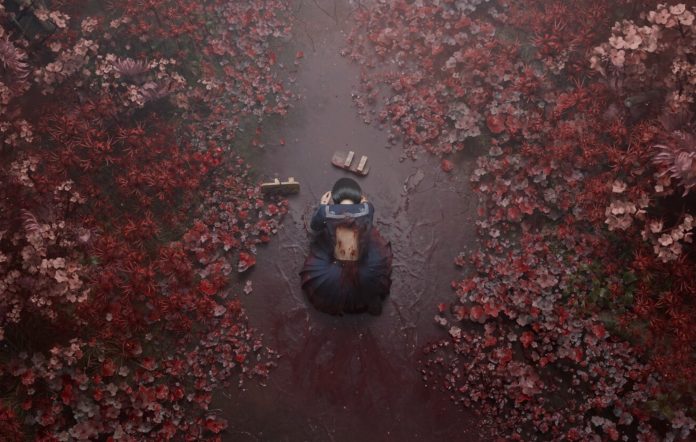
It’s admirable for the series to try something different, but not all of it pays off. The narrative includes themes of bullying, gender discrimination, and domestic abuse – which tie in nicely with the protagonist’s arc and also with some of the boss fights you encounter – but when you lose consciousness and enter the ‘Dark Shrine’ – basically this setting’s version of the original town’s ‘Otherworld’ – the story loses focus; or, rather, focuses on less interesting aspects to do with Japanese spiritualism and folklore. In the real world, the folklore stuff is teased and fleshes out setting, but when it becomes integral to this nightmarish other plain it loses its menace and intrigue.
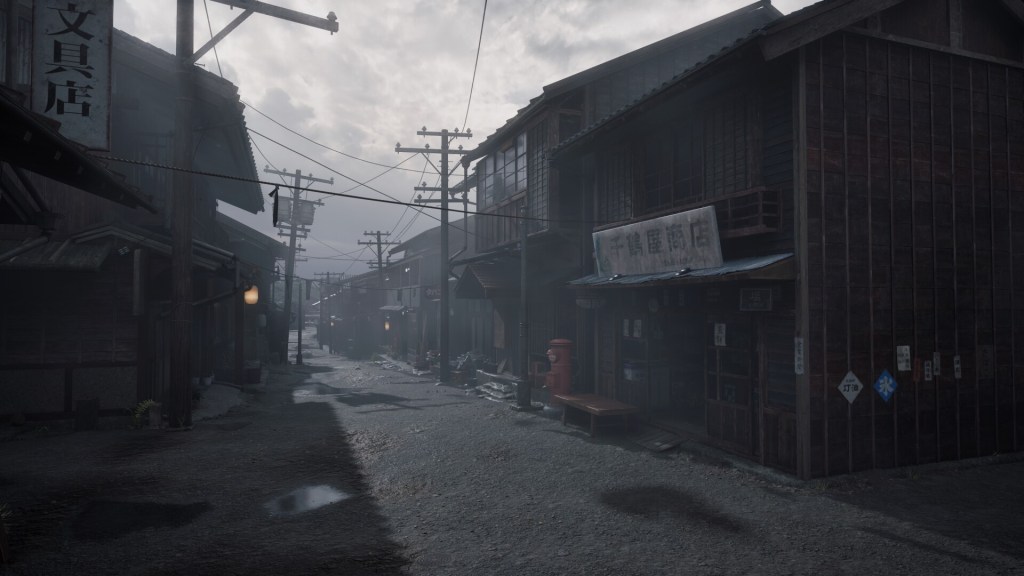
Unfortunately, the story goes back and forth between these two realms and really stumbles at the conclusion. It’s a messy finish that leaves narrative threads unresolved to force subsequent playthroughs, and though having reasons to revisit a game multiple times is good for replay value, it shouldn’t be a necessity to uncover the remainder of the storyline. ‘Silent Hill f’ offers multiple endings, but the story isn’t strong to justify another uneven 10 hours of enjoyment to witness them.
Uneven is the key word to describe this survival horror’s gameplay. ‘Silent Hill f’ is at its most fun when you are roaming around, exploring, looting, solving puzzles, and finding various documents to flesh out characters and the world around you. Locations like a derelict school with many locked doors and abandoned classrooms to search, or foggy fields on the edge of town populated by deformed monstrosities and creepy scarecrows… each dangerous area of the mysteriously empty Ebisugaoka yields rewards for eager explorers willing to risk looking in every nook and cranny for items or lore. A shrine is the game’s method of saving, and here you can essentially sell items for ‘faith’ to acquire stamina, health, or sanity upgrades, or for purchasing random Omamori amulets that you equip in your inventory. These could be anything from increasing your health, to increasing the effectiveness of light attacks, or enabling you to survive a fatal attack when near death.
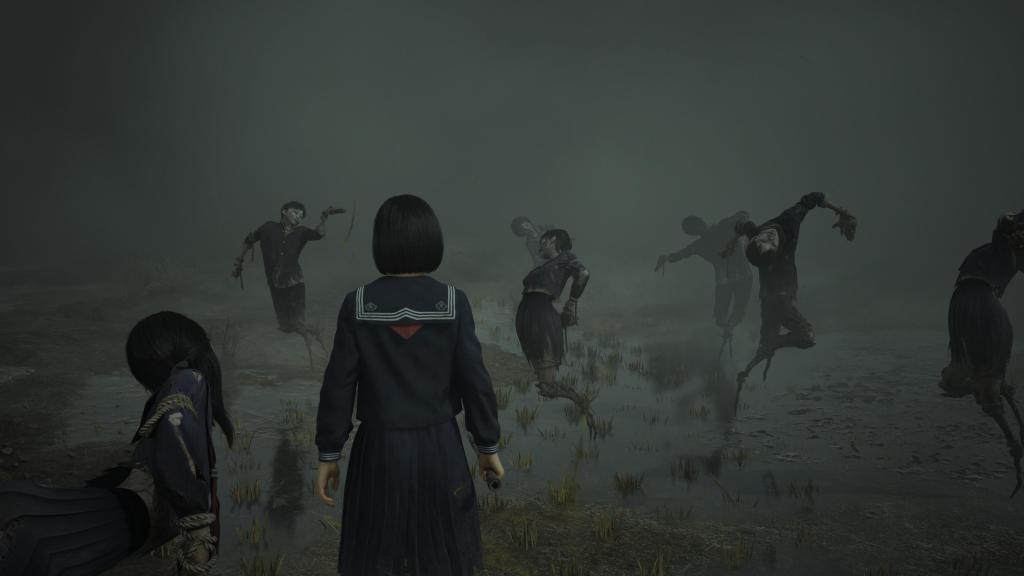
Unfortunately the fog has birthed a host of monstrous creatures that want to stab and gut you in your tracks, and this is where the game reveals its major problem – combat. There’s a variety of weapons scattered around to pick up, and the game encourages dodging and countering to better foes, but the clunky mechanics and animations from your character and from enemies lead to frustrations, particularly the enemy attack tracking that punishes you if you dodge too soon, letting the enemy land its hit wherever you are if you mistime it. You can use light or heavy attacks, or try a focus attack which slightly slows down time to open attack opportunities at the cost of your sanity, but personally I found myself ignoring this element of the game. In the real world, the combat feels cumbersome but it is manageable; when you are in the ‘dark shrine’, however, not only are you limited with what weapons you can use, but the enemy types are numerous, aggressive, and prone to ignoring hits. When surrounded, this is not only problematic – its downright annoying; you’ll be wasting bandages and consuming painkillers like there’s no tomorrow. Exacerbating the gameplay in these areas are puzzles that are rather boring to solve and involve a lot of trial-and-error thanks to the game’s cryptic hints.
Visually and artistically impressive at many stages of the game, ‘Silent Hill f’ never lacks for atmosphere. The environments are well detailed and the gruesome imagery helps sell the nightmare unfolding, whether you are traversing a mountain path on the outskirts of town and encountering abandoned religious sites, or quietly moving room to room in an absent doctor’s house that’s replete with bloodstains and hastily written notes, you can never feel safe even when armed. It’s a picturesque locale rendered haunting. The creepy sounds of monsters moving nearby and the ominous music accentuate the menacing atmosphere, particularly when the flora is unnaturally evolving and breathing just within frame.
Another aspect worth praising is the presentation of the journal. This gets filled in as you progress and learn more about a certain character or a specific monster you’ve fought, whilst also neatly including artwork to make this feel authentic in the hands of the female character you play as, who jots perceived jealousies of friends and accurate details of the creatures with artistic finesse that suits the game’s overall aesthetic. The map is similarly well-implemented: it makes navigation easy and is filled with artistic touches to give it less of a generic look like in most games.
Overall, psychological horror is designed to make you feel vulnerable and on edge, keeping survival a test and not a guarantee. ‘Silent Hill f’ mostly understands the demands of the genre, but an overall lack of polish in the combat means the experience of fighting monsters with crudely implemented farming items or kitchenware is unnecessarily frustrating. Mechanics are clunky, timing is imprecise, and satisfaction is often just out of reach. The story demands multiple playthroughs, but it doesn’t justify it. Exploring this 60s Japanese locale steeped in horror and mystery is atmospheric and sporadically fun, and it ambitiously tries to weave in themes uncommon in video games. With that in mind, this is a game worth playing – just not over and over again.
Breakdown:
Story – 2/5
Characters – 3/5
Gameplay – 3/5
Graphics – 4/5
Sound – 4/5
Controls – 2/5
Atmosphere – 4/5
Enemy AI – 2/5
Length – 4/5
Replay Value – 3/5
Good Points:
+ 1960s Japan is a good, unique setting steeped in folklore.
+ Disturbing and creepy enemy designs.
+ Map, journal, and inventory are artistically well presented.
+ Exploring the atmospheric, foggy town of Ebisugaoka.
Bad Points:
– Clunky mechanics and enemy tracking make combat annoying.
– ‘Dark Shrine’ sections are visually less interesting and feature bland puzzles.
– Ends poorly, whilst essentially forcing subsequent playthroughs to get the rest of the story.
Overall Score – 7/10

